
-
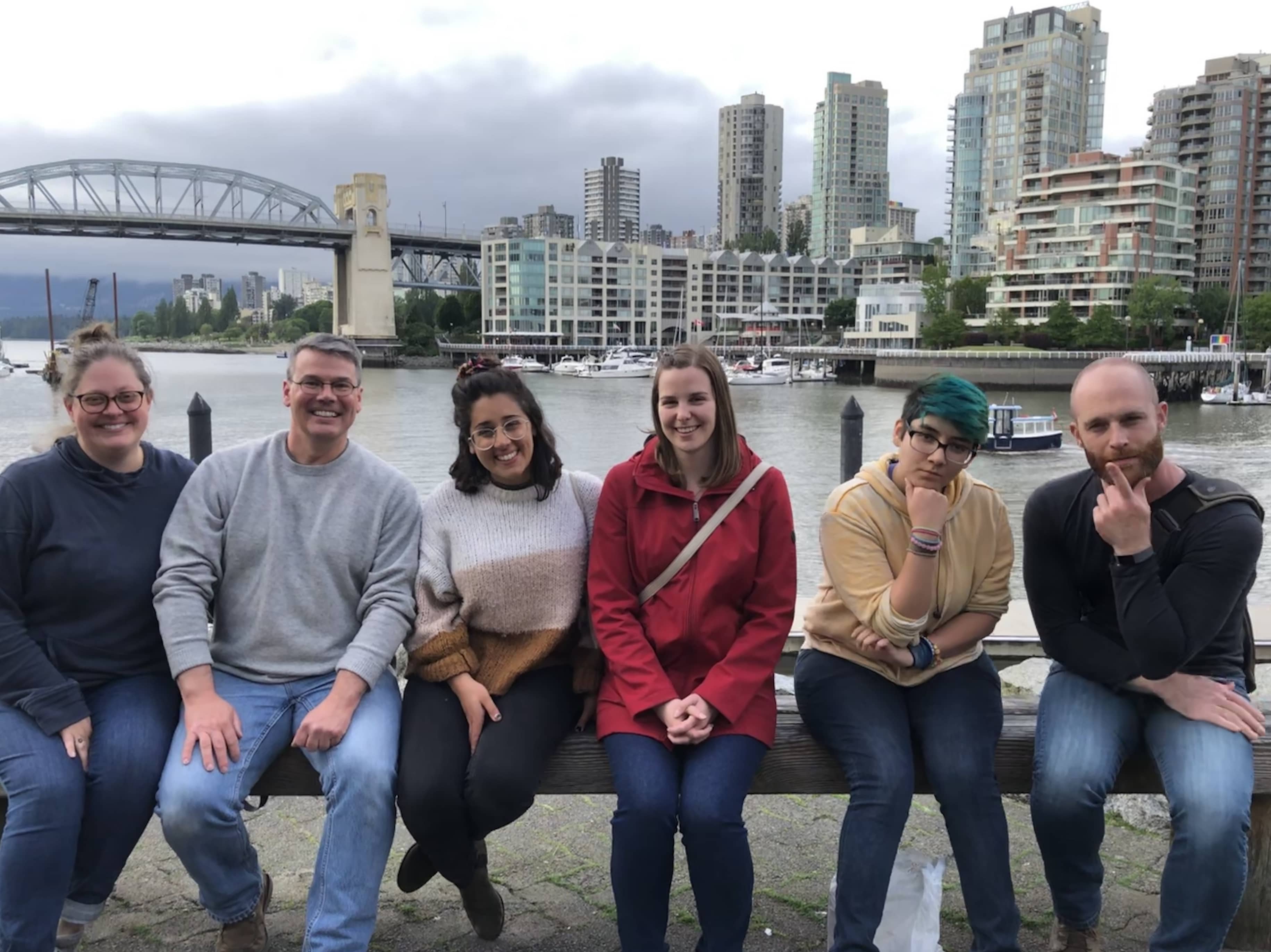
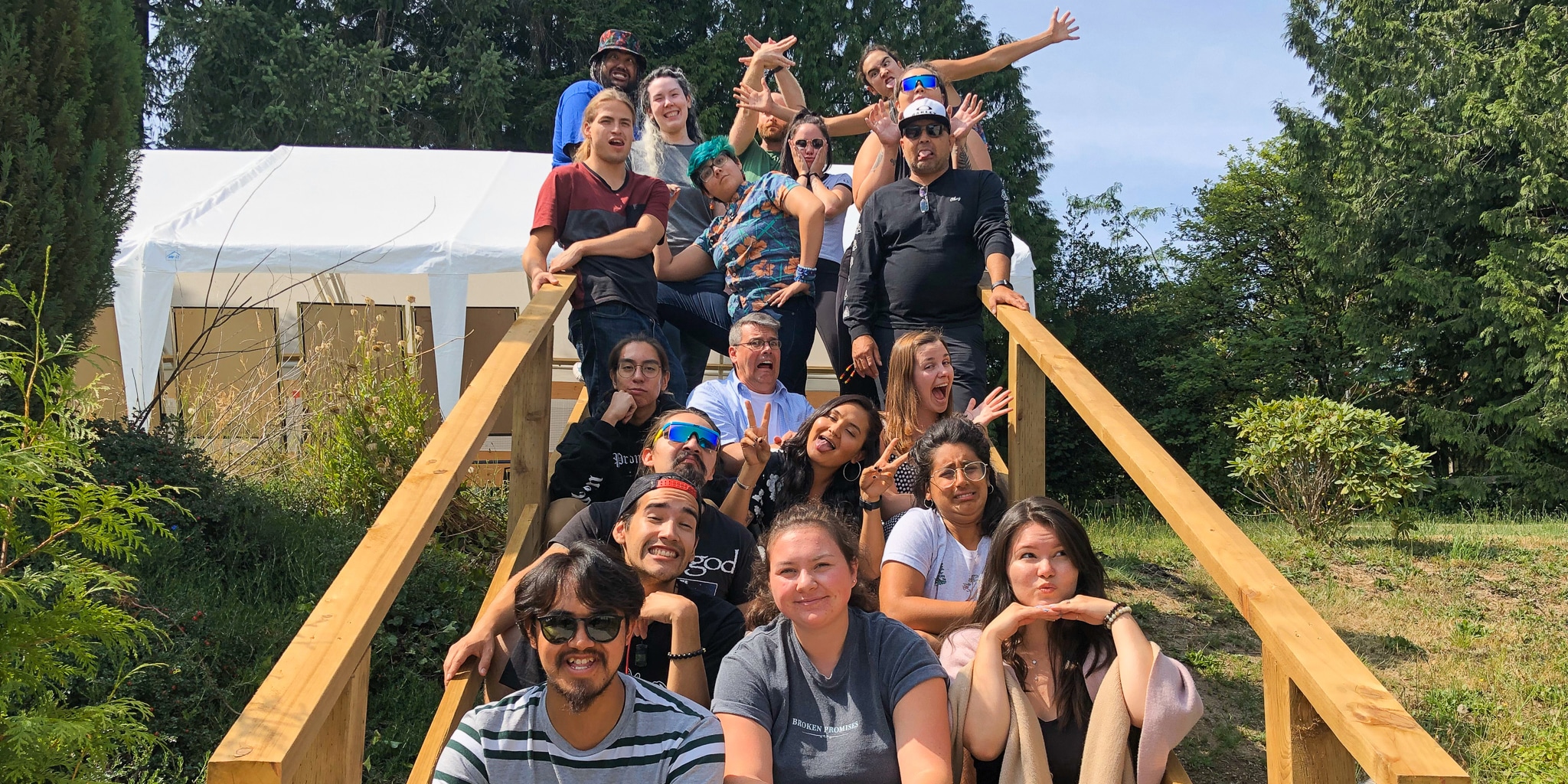
Meet the 2019 Summer Language Intensive Team
We are delighted to welcome 4 new team members to the 2019 Summer Language Intensive in North Vancouver, British Columbia. These visitors, and the project as a whole, are able… Read more »
-
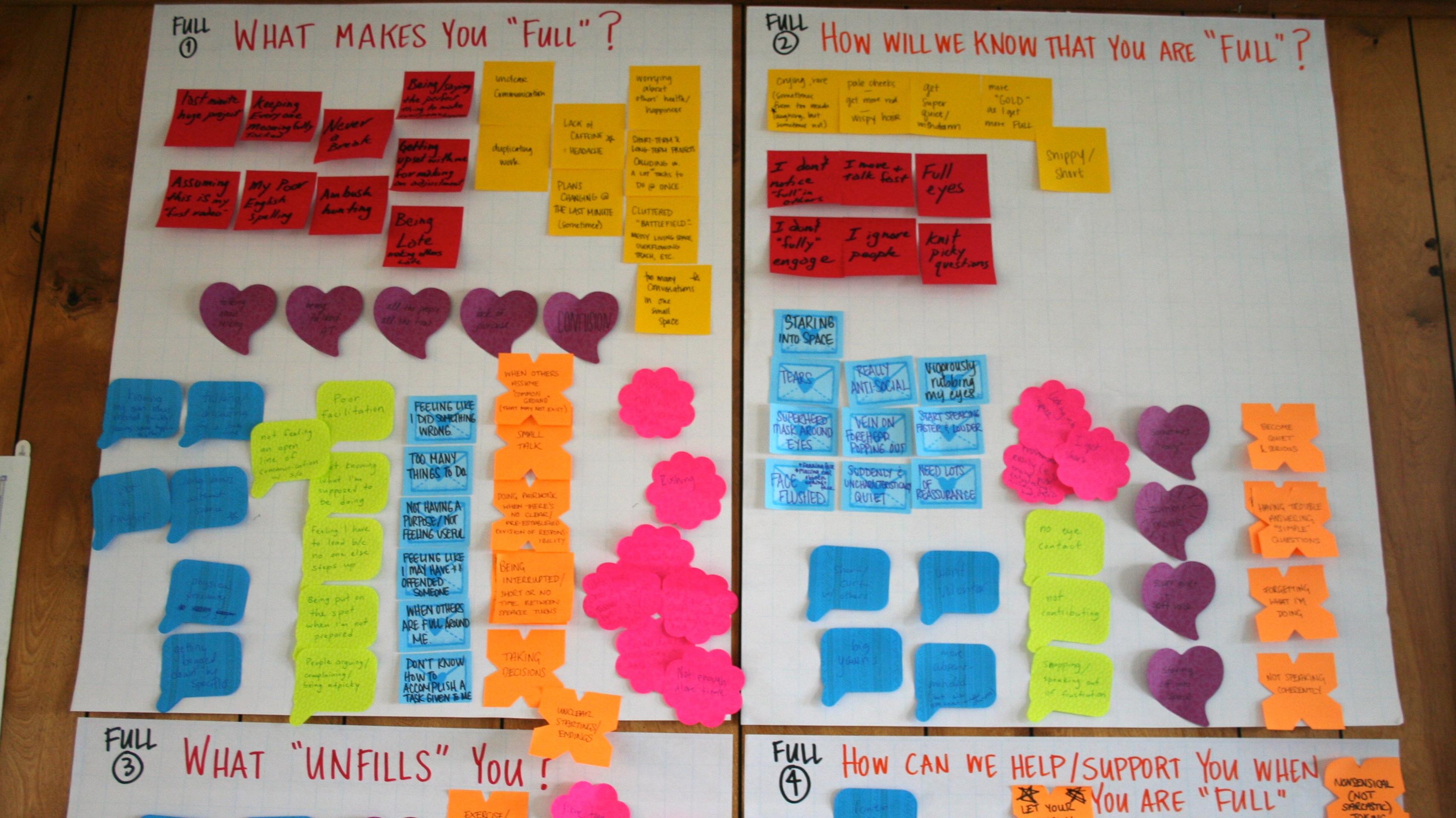
What Makes You Full?
The “What makes you full?” activity is invaluable for a group that will be working closely for a period of time. Past intern Robyn introduced it to Evan and Susanna,… Read more »
-
Why Non-Indigenous Alaskans Need to Care about Indigenous Languages
Note from Myles: This post is directed towards Alaskan readers of the WAYK blog. In 2014, 20 Indigenous languages were made official languages of the State of Alaska. For many… Read more »
-
The Ultimate Turkish Hunting Kit
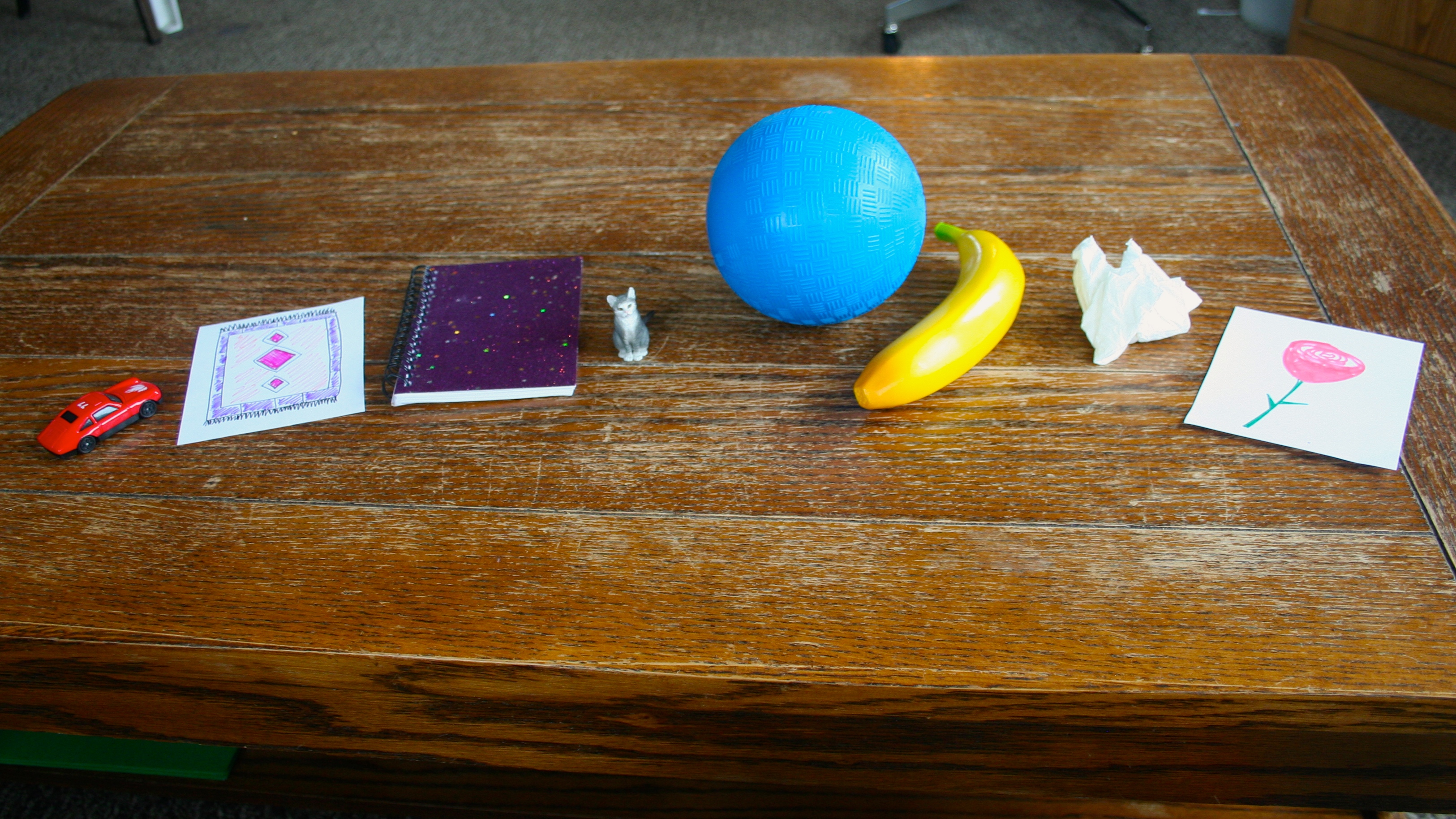
The challenge of designing the ultimate Turkish hunting kit has captured the obsessive part of my brain for the last week. What is a “hunting kit,” you ask? It’s a… Read more »
-
Technique: Lie to Me
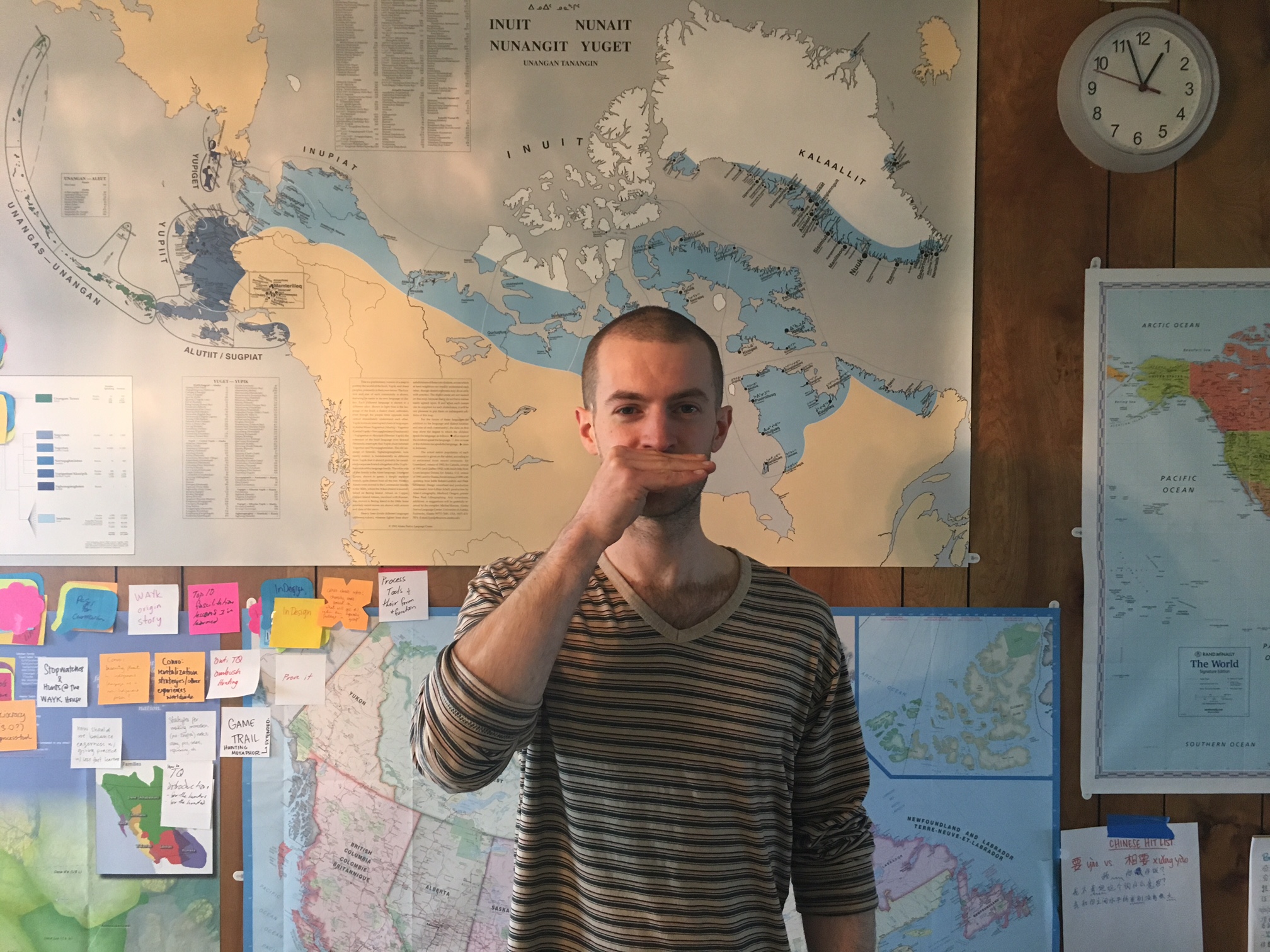
Imagine you are doing a lesson that might only be true for some people in your group. For example, if you are leading a lesson on brothers and sisters, and… Read more »
-
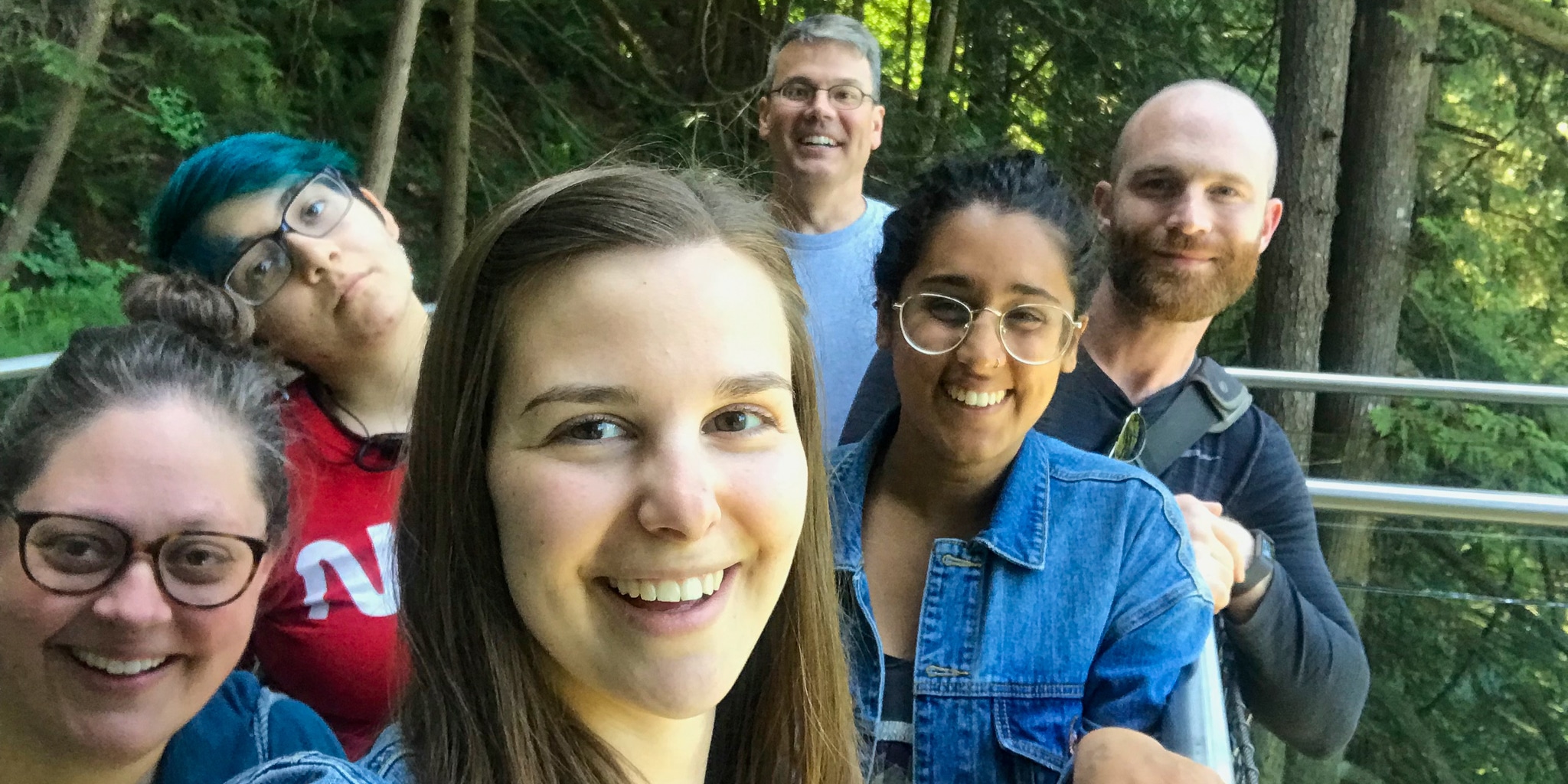
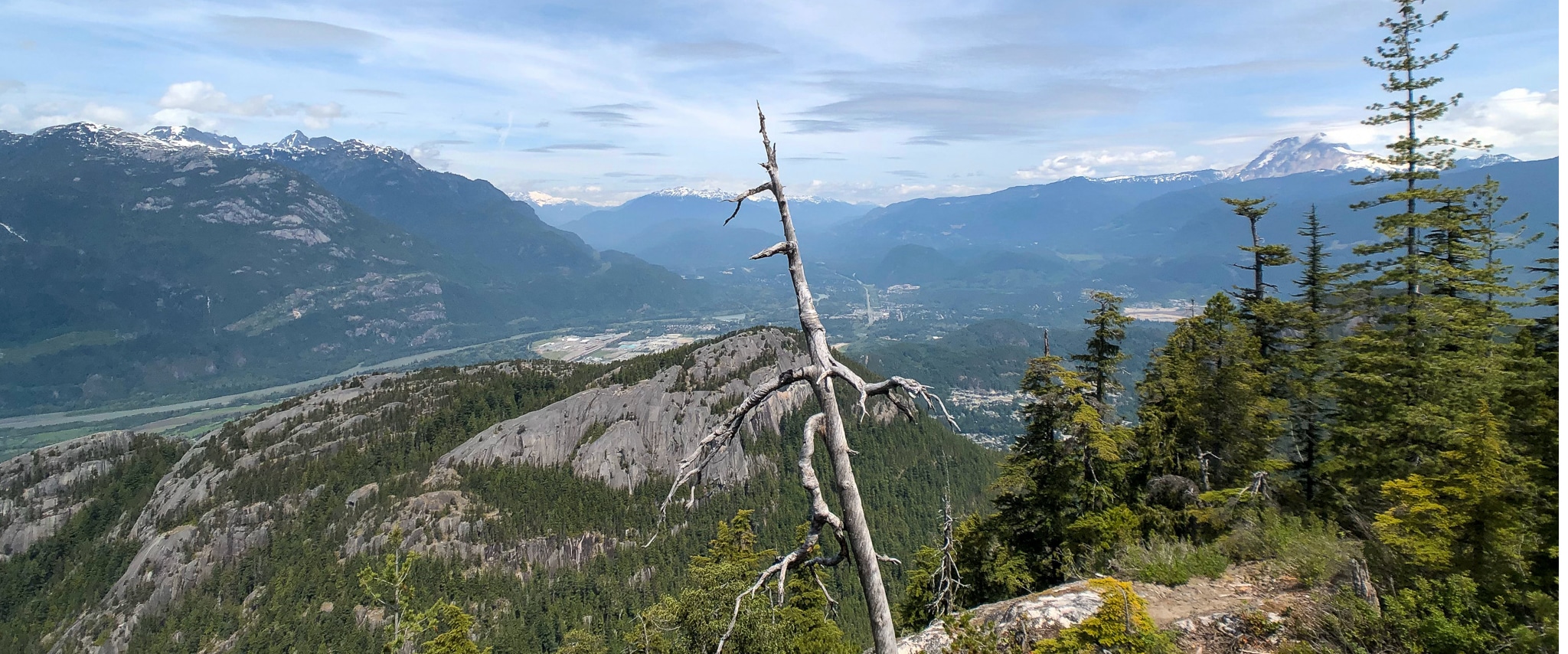
Hiking Trip & Interview with Marjorie
When I first learned about Where Are Your Keys, and that they offer summer internships in Unangax̂ Territory, I was really excited. I am an Unangax̂ that grew up away from… Read more »
-
Hunting Quechua in Alaska
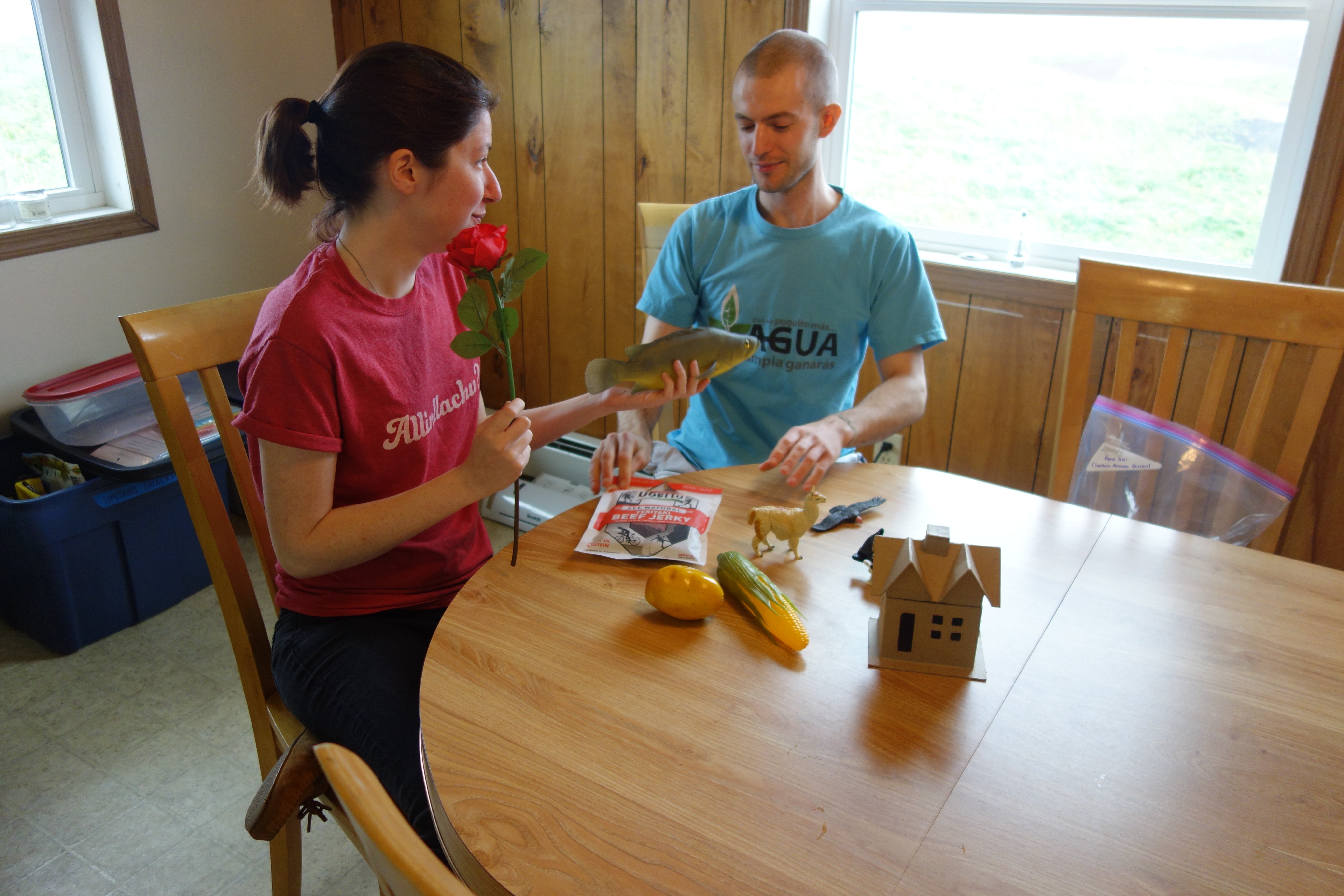
It’s about time that I shared one of my big plusses from my 2017 Summer Intensive experience: “hunting” Quechua, thanks to Rachel Sprouse. It makes learning to hunt a lot more real for me… Read more »
-
Blending WAYK and Tandem Language Learning
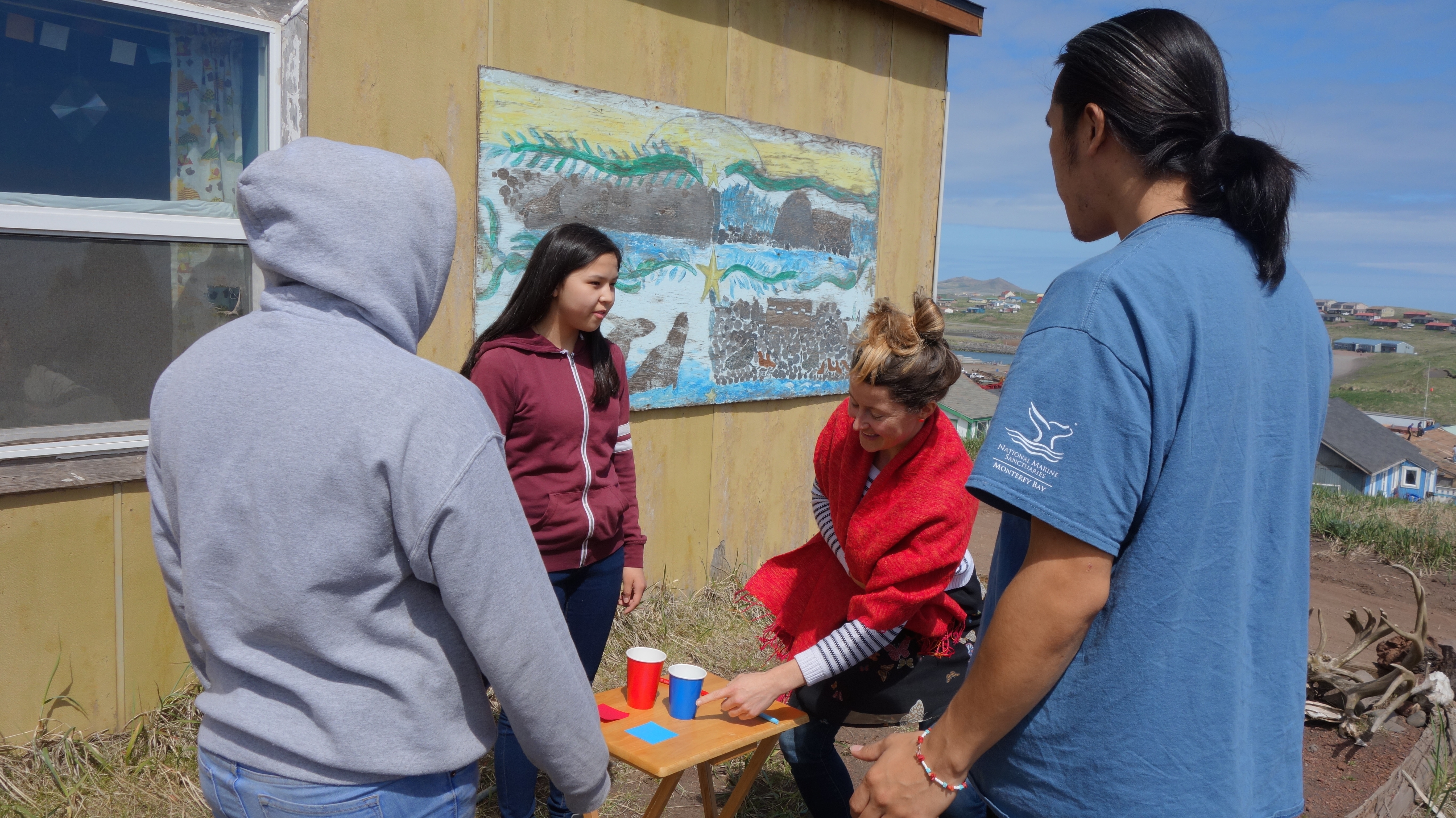
This post explores how blending Where Are Your Keys techniques into a tandem language learning model could support and improve learning. Due to the number of WAYK Techniques I will… Read more »
-

Technique: Mumble
Technique: Mumble In the movie Finding Nemo an adventurous young fish wishes to break free from the strict world his father constructed under the reef. During a school field trip,… Read more »
-

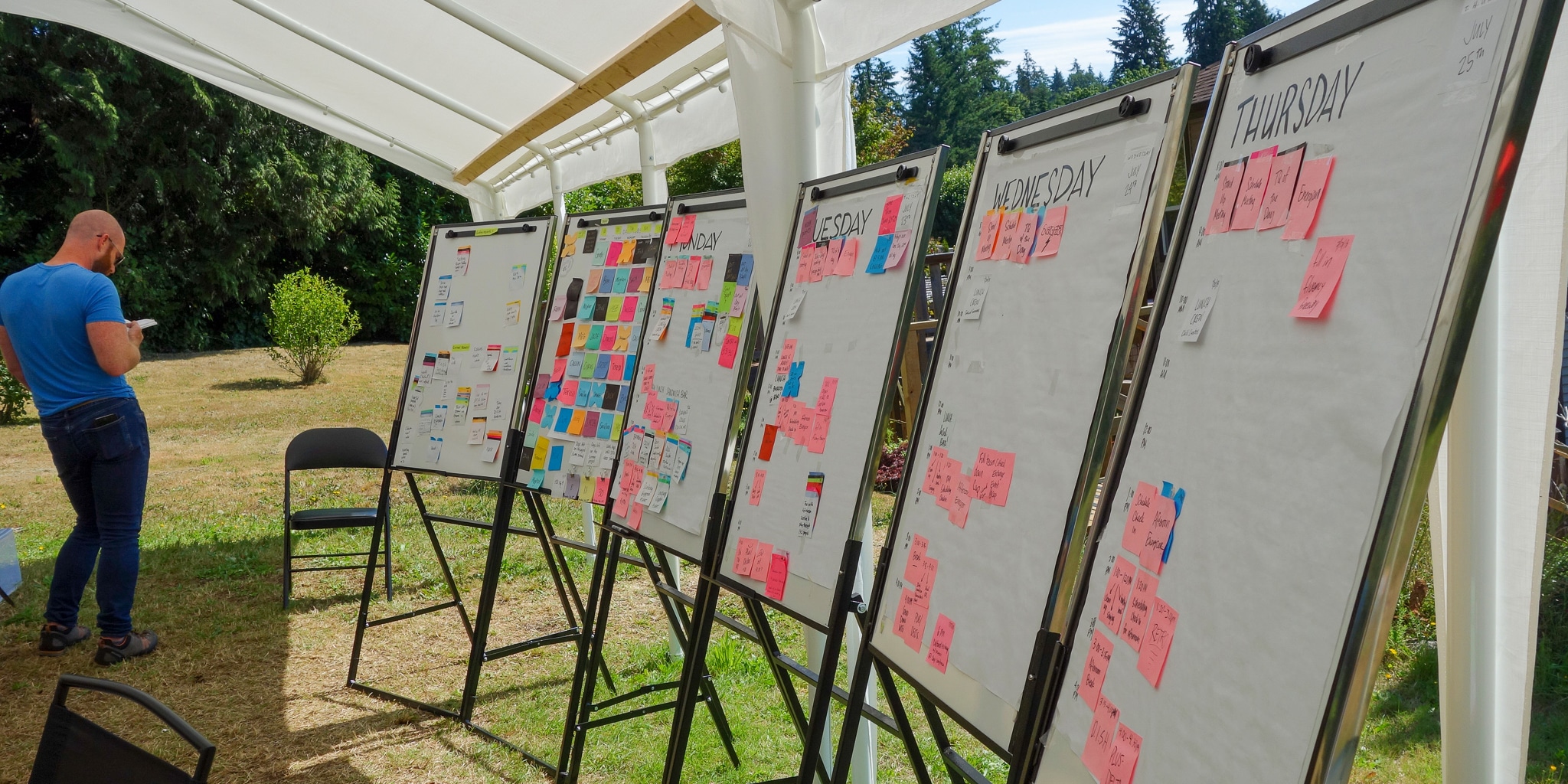
Building a Curriculum: Milestones and the Fluency Freeway
One of the most useful things that I have worked on during my summer with WAYK that I will bring back with me to help with my own languages is… Read more »
-
Four (Language) Fairies Worth Killing
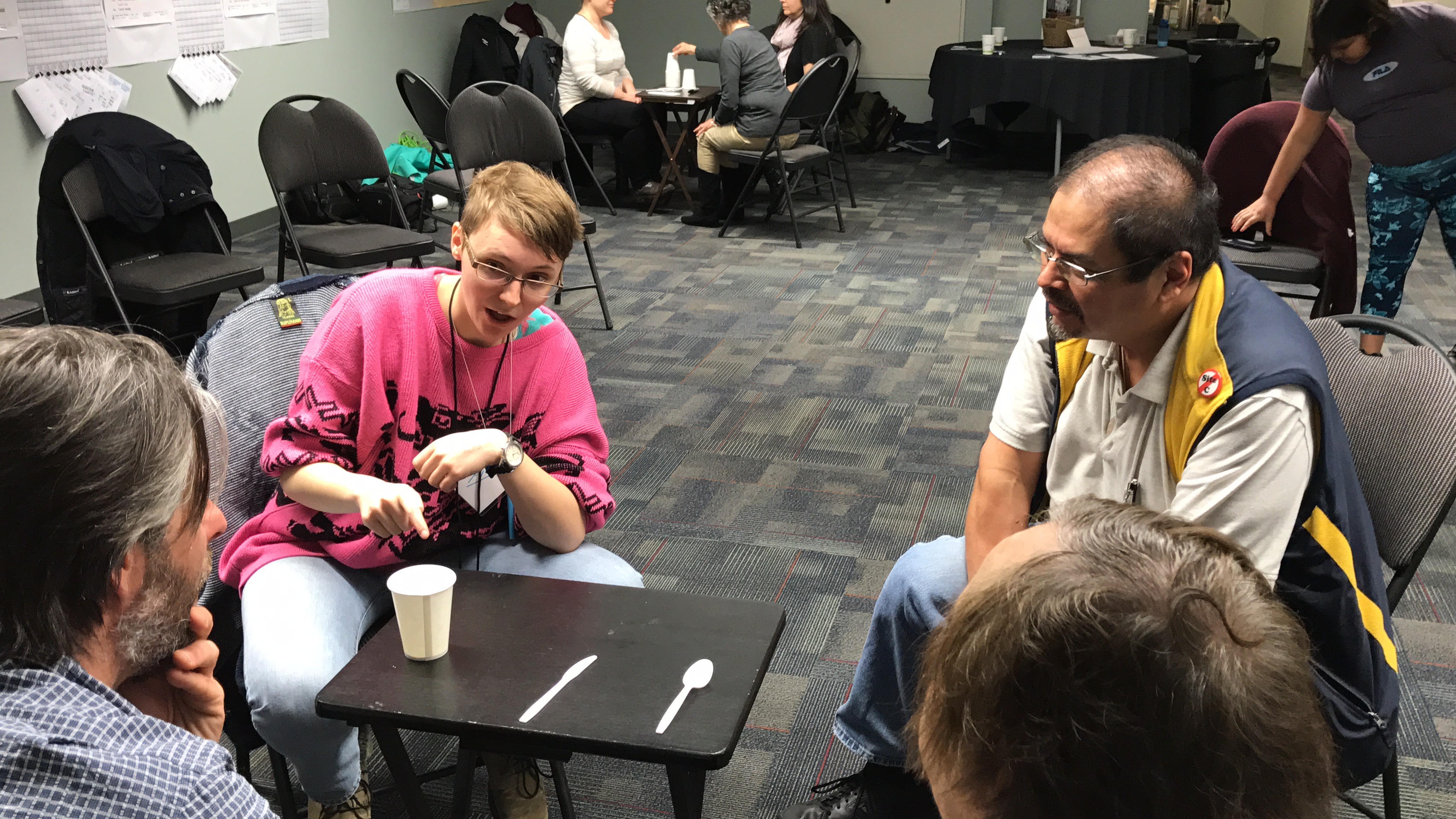
One of my favorite things about WAYK is its desire to stay in immersion for as many minutes as possible by avoiding translation (e.g. TQ: Spare the Fairies). However, there… Read more »
-
The Road So Far
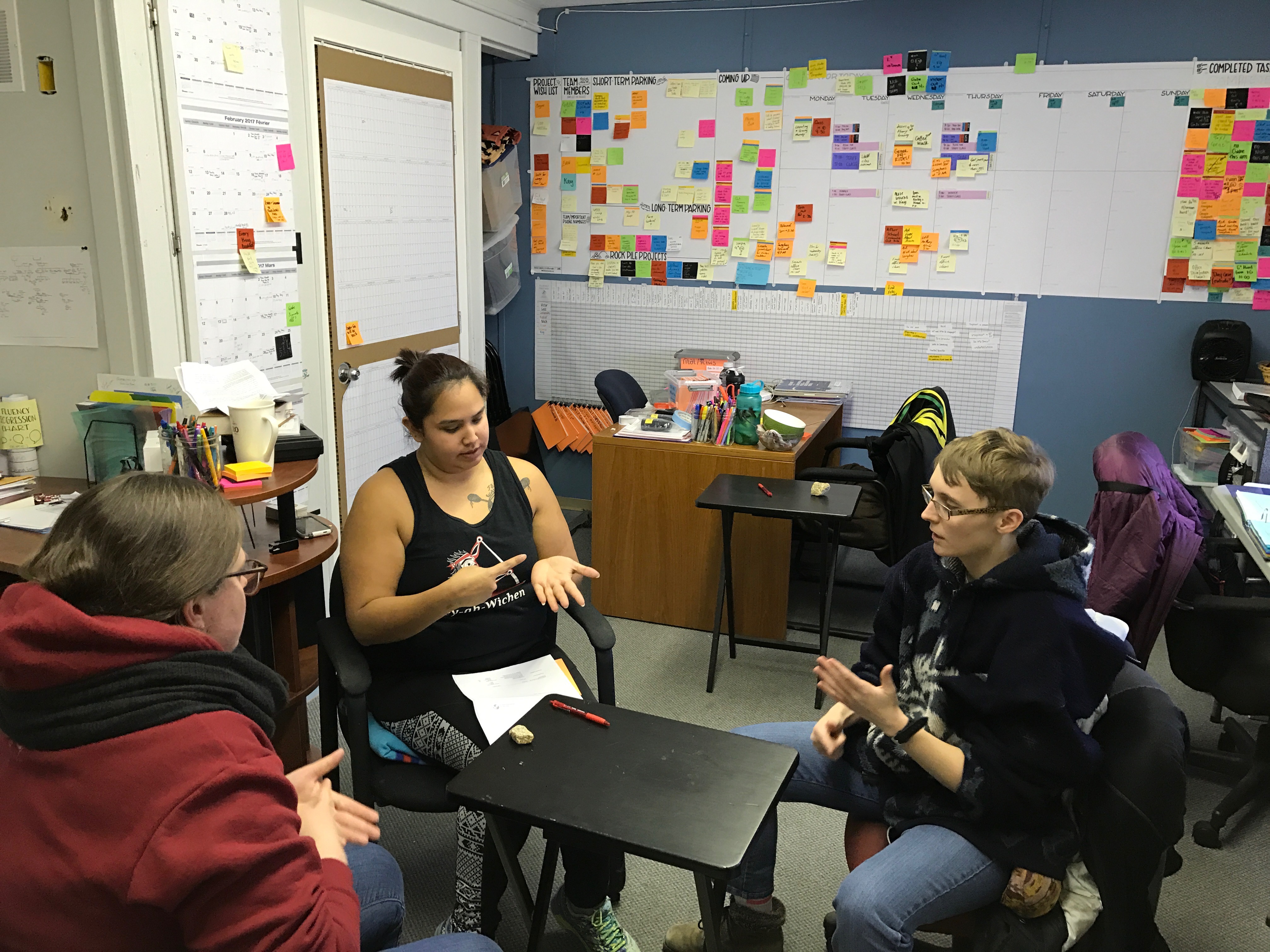
After Kay joined us for a few weeks in North Vancouver, BC working with Tsleil-Waututh Nation and Songhees Nation, she returned to Chicago. Here’s an update! Before I left Vancouver,… Read more »
-
Madeline’s Reflections on the Summer
Madeline Snigaroff, who joined the team for the 2018 Summer Intensive in Anchorage sent us this update in November. It’s been four months since I left Anchorage, and I now find myself… Read more »
-
Cameo Post: Meet Will Monroe (Again!)
Will Monroe, who made a short cameo appearance in Anchorage for the 2018 Summer Intensive wrote about his summer experience in July 2018. Aang, everyone! Will Monroe here, and I’m back in… Read more »
-
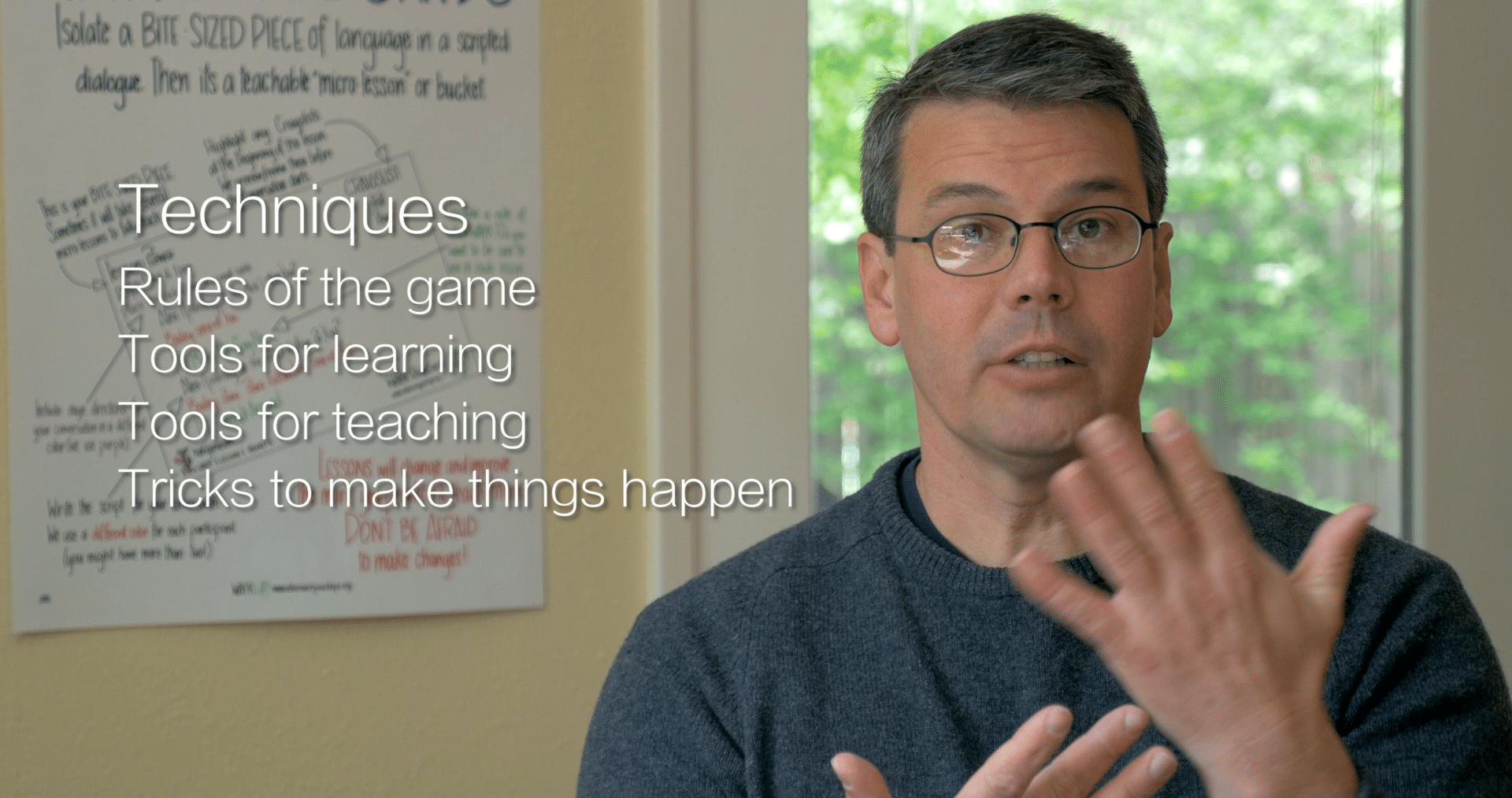
Introduction to WAYK Video Series
Time for some “new” videos! Back in 2015, Sky Hopinka made a terrific series of videos for Where Are Your Keys. This series was designed to be both an overview of the… Read more »
-
Robbie’s 2018 Update from Trevelin, Esquel, & Bariloche
Here’s Robbie Penman’s update from the spring of 2018, several months after his summer with WAYK on St. Paul Island, Alaska. Thanks for the update, Robbie! In April, me and… Read more »
-
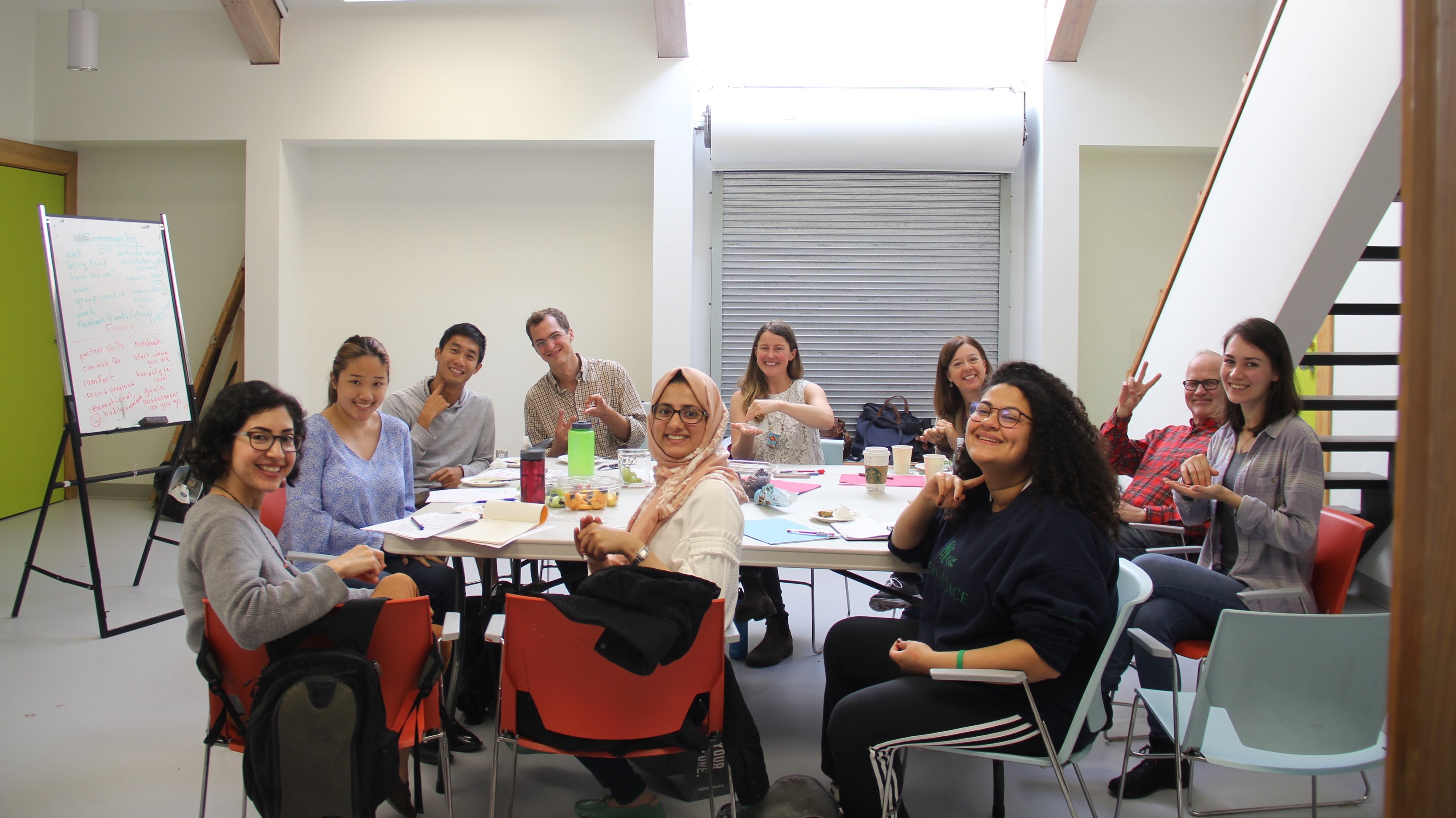
What I’ve Been Up To Since the WAYK Summer Internship
Here’s Mary Leighton’s update from the winter of 2017, six months after her summer with WAYK on St. Paul Island, Alaska. Thanks for the update, Mary! The summer internship seems… Read more »
-
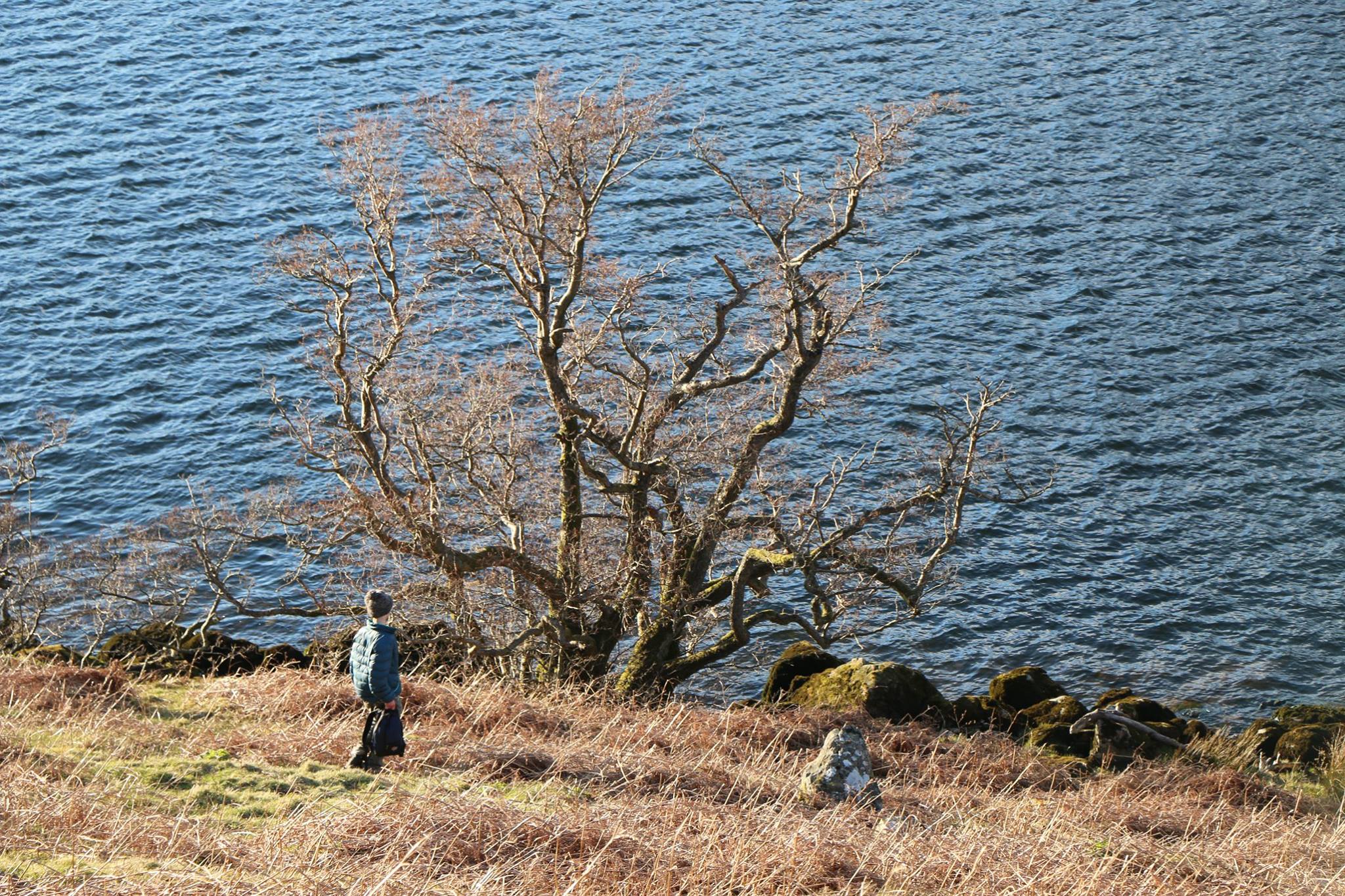
Going Cold Jerky*: Outside of the WAYK Bubble
Here’s Robbie Penman’s update from the fall of 2017, a few months after his summer with WAYK on St. Paul Island, Alaska. Thanks for the update, Robbie! *Jerky is one… Read more »
-
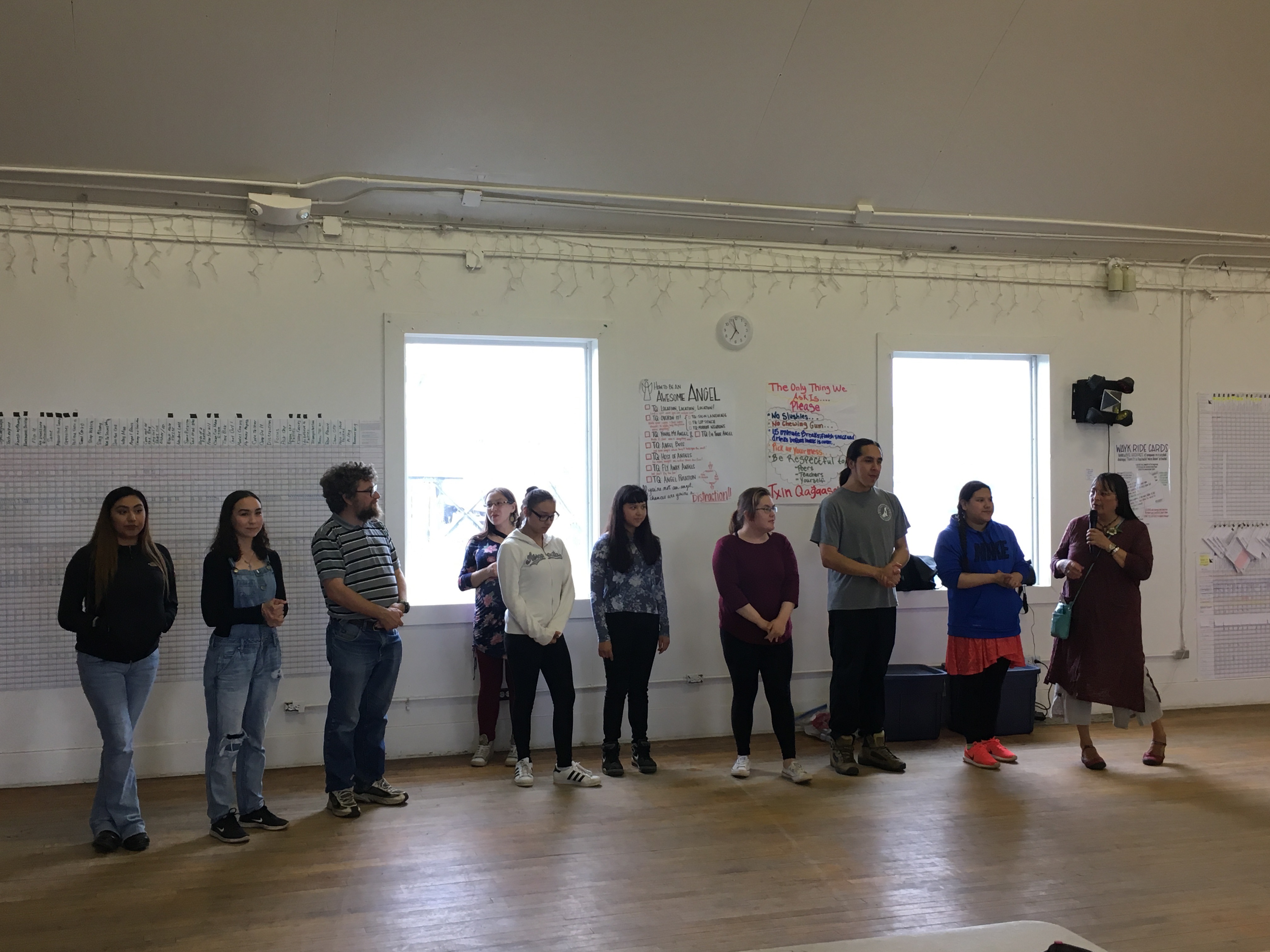
The Best Part of Myles’ Summer 2017
My favorite part of the WAYK Summer Language Intensive on St. Paul Island has been getting to witness an amazing team of young people who are taking language revitalization into… Read more »
-
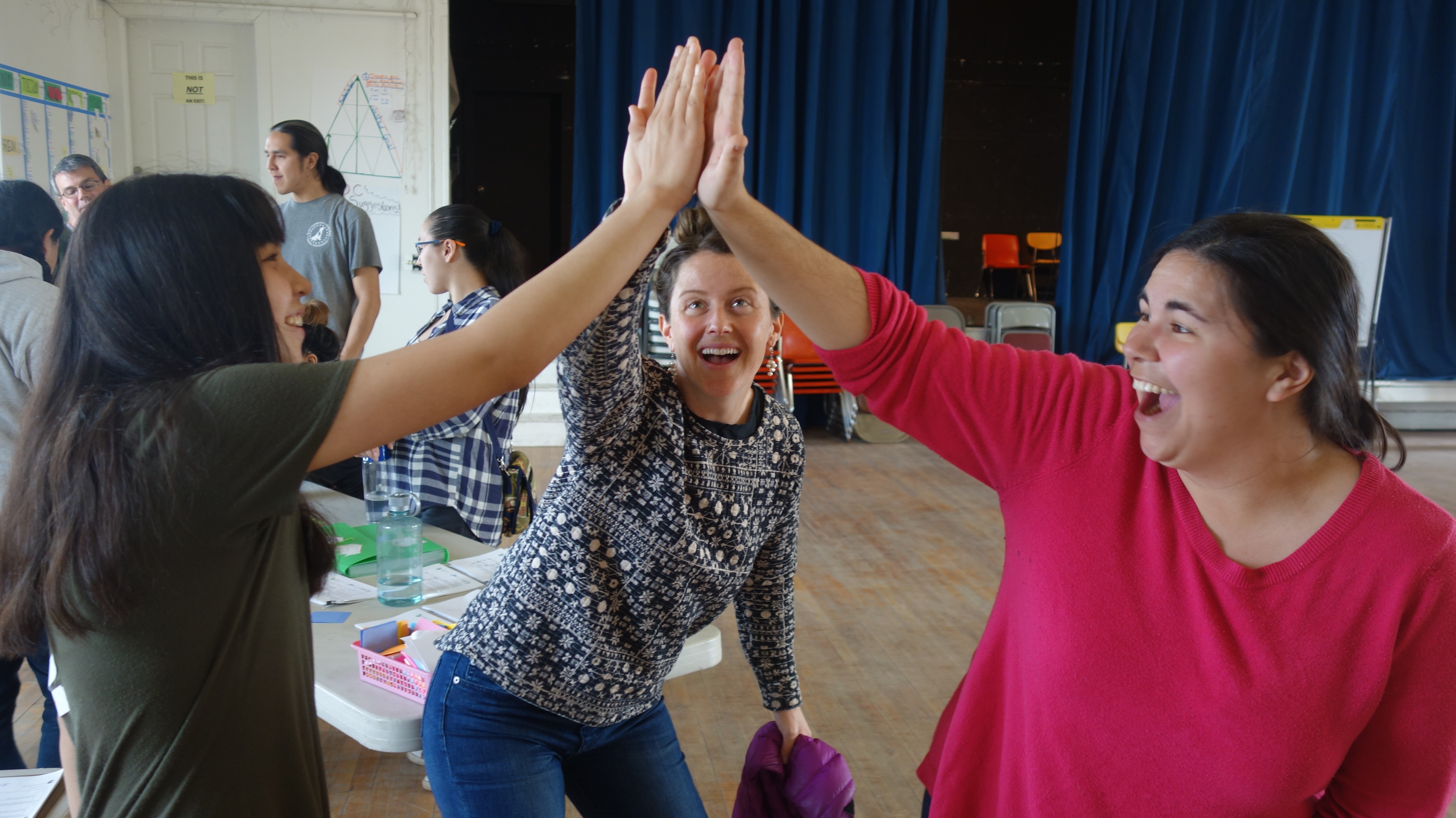
Mary’s Favorite Thing from the 2017 Summer Language Intensive
My favorite thing from the 2017 Summer Language Intensive on St. Paul Island was becoming more comfortable learning and teaching language in immersion, by which I mean staying in the… Read more »